Video: is my watch waterproof? Water resistance explained
Every watch carries a water resistance rating, but what exactly do those numbers mean? Which water-resistant watch meets your particular needs and preferences? This post offers more detailed guidance to help you choose the right watch. You can browse our full range in our online watch shop!
What metres and atmospheres indicate
Watch water resistance is marked in atmospheres or bar, such as 5 ATM or 5 bar, or in metres (50 m). Both indicate the same thing: the water pressure the watch withstands during testing. But what does this mean in everyday life, and what can you do with a particular watch?
The conversion is simple: 1 ATM corresponds to roughly 10 metres of water pressure, so 5 ATM is marked 50 m, 10 ATM is marked 100 m and 20 ATM is marked 200 m.
The number indicates test pressure, not the depth to which you may dive with the watch. During testing, the watch is stationary and the water is still. Swimming, jumping into water or placing the watch under a jet can momentarily increase pressure; hot water, temperature changes and ageing seals also affect the watch. Always check the specific model’s manual to see what it is suitable for. The recommendations below are general, and manufacturers’ instructions may differ.
What can you do with different water resistance ratings?
Let us look at specific examples to clarify what different watches can be used for.
3 ATM (marked 30 m) is an everyday watch: splashes, rain and handwashing are fine, but it must not be worn in the shower, bath or while swimming.
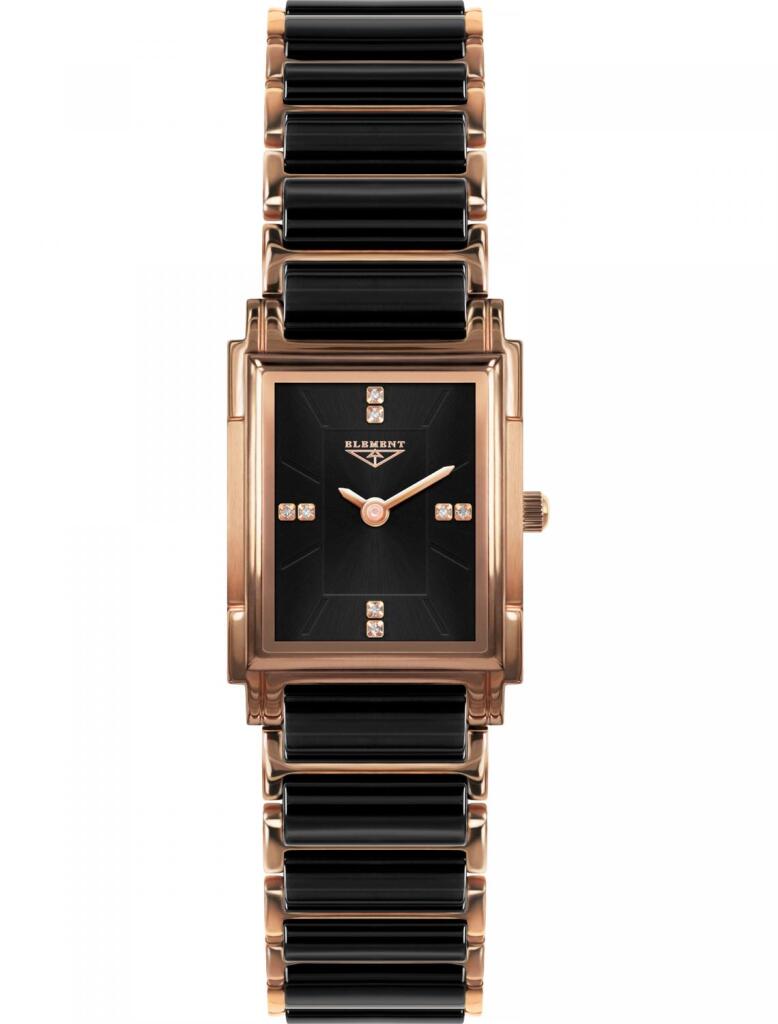
5 ATM (marked 50 m) withstands accidental immersion, heavy rain and brief contact with water. Many manufacturers also permit brief surface swimming, but instructions differ, so check your model’s manual. Taking the watch off for swimming is the safer option. It is unsuitable for snorkelling or diving.
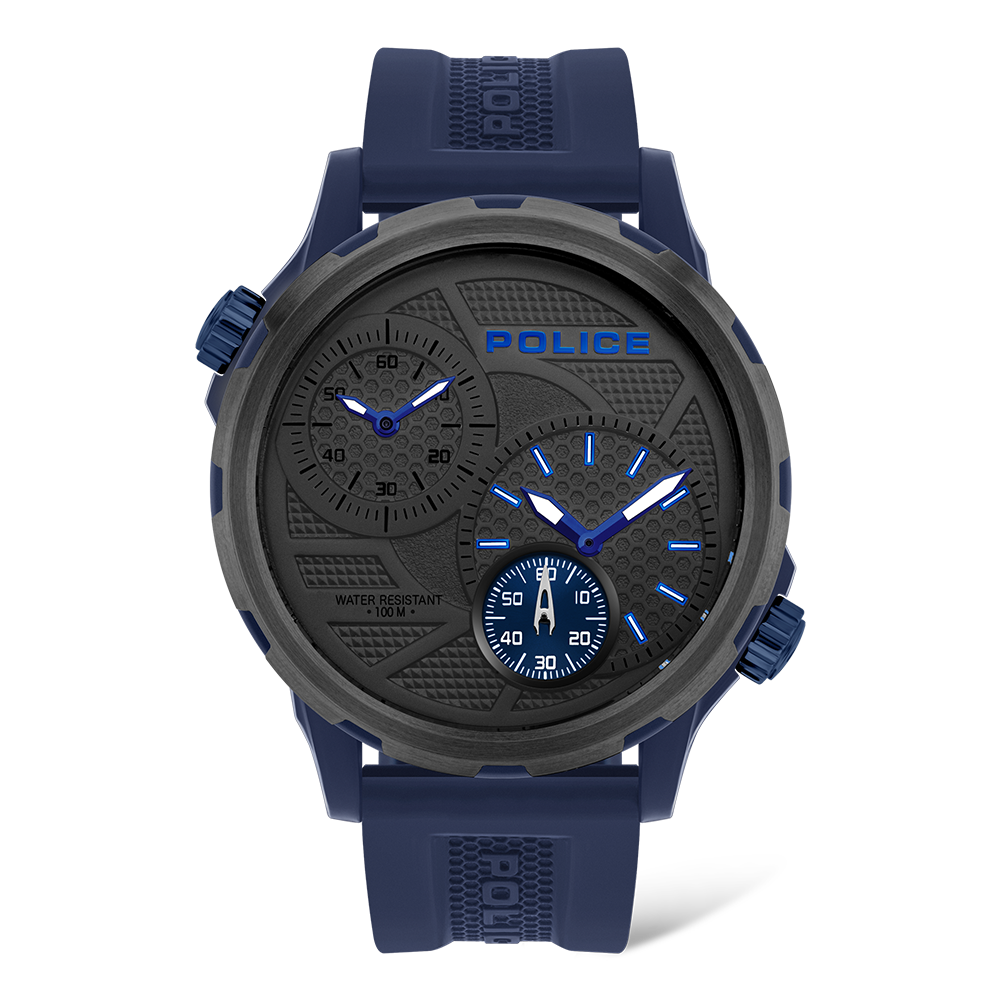
10 ATM (marked 100 m) is a watch you can comfortably swim with and usually snorkel with too. It is well suited to the beach, boating or fishing. It is unsuitable for scuba diving.
15–20 ATM (marked 150–200 m) watches are more durable and suitable for active water sports, such as sailing, swimming and snorkelling. For scuba diving, check whether the watch is marked as a diver’s watch.
30 ATM (marked 300 m) and higher water resistance ratings are found on watches built for underwater use. For scuba diving, however, choose a watch certified as a diver’s watch (ISO 6425, marked ‘Diver’s’). Even then, follow the model’s manual and have its seals checked regularly.
A water-resistant watch’s crystal – sapphire or mineral?
Watches come in all kinds of designs, and the choice is varied. The crystal also plays an important part in a watch’s resistance to water and breakage. Sapphire and mineral crystals are the most common. But what is the difference?
Mineral crystal is common in affordable and mid-priced watches. It withstands impacts well, but scratches more easily than sapphire. Plastic, or acrylic, crystal scratches most easily, but does not shatter into shards, and scratches can often be polished out. Sapphire crystal is highly scratch-resistant and stays clear for years, but can break under a strong impact. Crystal type does not directly determine water resistance; this depends on the case and seal design.
Each watch’s water resistance is listed under ‘Technical information’ on its product page. You can also find a brief overview with a table in the article watch water resistance.
Happy shopping!